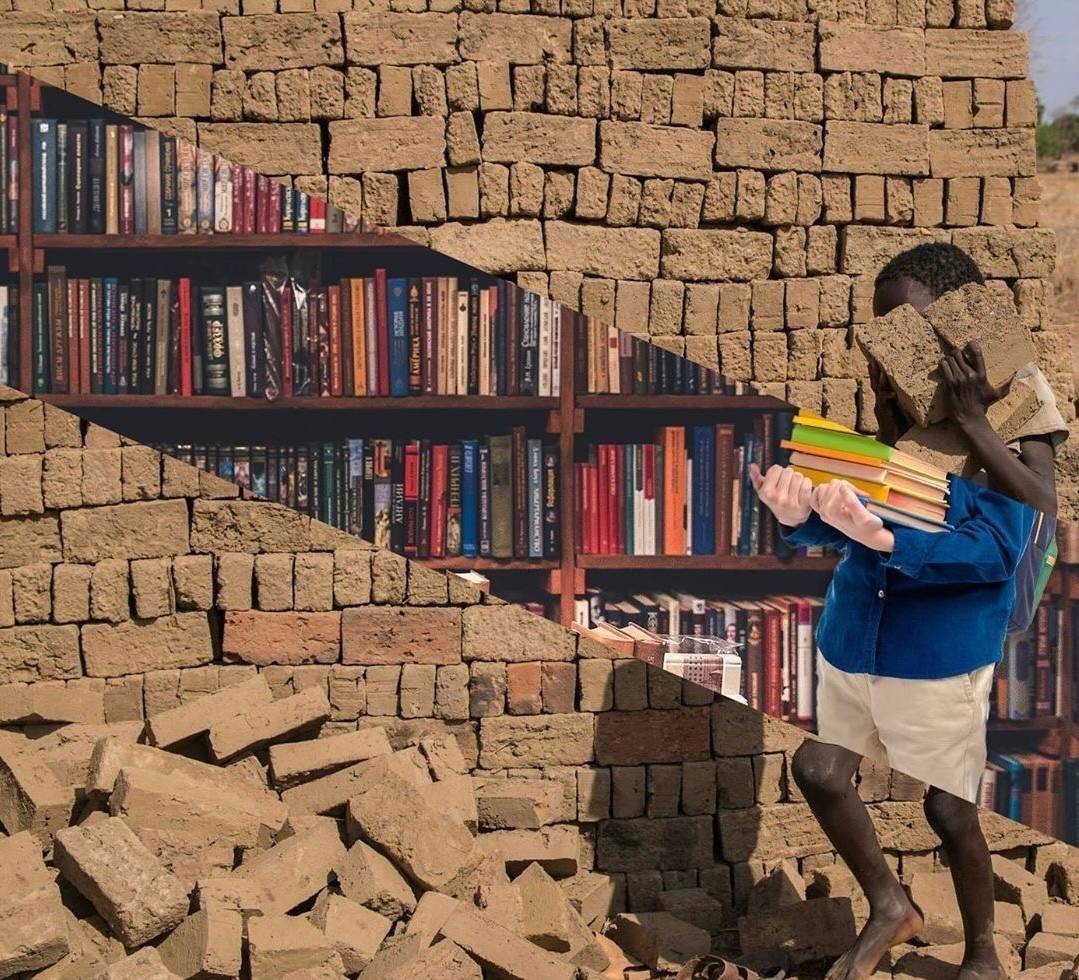
Why are we still using the broken bodies of six-year-old kids to keep our lives comfortable? It sounds like a horror movie, but it is the actual reality of our modern, wealthy world. The truth is as simple as it is heartbreaking: our global economy is built to ignore their pain and pretend it isn't happening.
Think about it. Two hundred years ago, factory owners legally used young children to build their empires right out in the open. Today, we like to pretend we live in a kind, civilized society. But this is a huge illusion. The cheap materials inside our phones, our cars, and our clothes still come from that exact same cruelty. The only difference is that giant companies have gotten much better at hiding these children deep inside messy global supply chains, far away from our eyes so we can keep buying things without feeling guilty.
1. The Human Cost: Physical and Brain Damage From Hard Labor
The dangers of child labor go far beyond simply being tired; they cause permanent, irreversible damage to a child's growing body. In the global tech economy, this cruelty is most obvious in the Democratic Republic of Congo. Here, children as young as six years old are forced to crawl into unstable hand-dug tunnels to mine cobalt, a key material used in lithium-ion batteries powering phones, laptops and electric vehicles.
Breathing mineral dust all day causes chronic lung disease, while handling toxic rocks without protective equipment leads to heavy metal poisoning that permanently damages the nervous system. Carrying heavy loads for twelve to fourteen hours every day also changes bone development, leaving many children with lifelong deformities and chronic pain.
"I would spend 24 hours down in the tunnels. I had to relieve myself down there. My whole body ached, and the dust made it impossible to breathe. If we didn't work fast enough, the overseers would beat us. We had no choice; it was either the mine or starvation."
— Paul, 14-year-old miner from the Democratic Republic of Congo.
2. Mental Trauma and the Invisible Poverty Trap
Beyond physical harm, child labor destroys childhood itself. Forced out of school and into dangerous workplaces, children live in a constant state of fear and survival. Long-term exposure to violence and stress floods the developing brain with stress hormones, increasing the risk of depression, anxiety, post-traumatic stress disorder (PTSD), and lifelong emotional difficulties.
Without access to education, exploited children often become unskilled adults trapped in poverty. Many families are then forced to send the next generation of children into the same dangerous jobs, creating a cycle of exploitation that continues for decades.
3. The Supply Chain Illusion and Global Complicity
Large international corporations rarely purchase materials directly from illegal mines or factories. Instead, they rely on long and complex global supply chains involving traders, subcontractors, and processing companies. This structure makes it difficult to trace where raw materials actually come from while allowing businesses to distance themselves from human rights abuses.
Whether children harvest cocoa in West Africa, sew clothes in unsafe factories, or mine cobalt in Central Africa, the outcome remains the same: multinational companies benefit from cheap production while the children carrying out the hardest work remain invisible.
4. Why the System Continues
Child labor continues because poverty, weak law enforcement, corruption, and global demand for inexpensive products all reinforce one another. Families often depend on every possible source of income to survive, while companies face little financial pressure to change their practices. As long as consumers demand cheaper goods and governments fail to enforce labor protections, millions of children remain at risk.
5. Author's Perspective
Perhaps the most disturbing part of this crisis is how invisible it has become. Every day we use smartphones, laptops, clothing, and countless other products without considering the people who made them. Technological progress should never come at the cost of a child's future.
A truly modern society is not measured by how advanced its technology becomes, but by how well it protects its most vulnerable people. Ending child labor requires stronger international regulations, ethical supply chains, responsible companies, and consumers who understand that every purchase carries consequences.